








Unlike isolated regional security issues, a flashpoint in Western Tigray is structurally designed to trigger multiple armed actors simultaneously due to the new network of cross-border alliances. The baseline security posture remains highly volatile. Observers must closely monitor the immediate post-election responses of the incumbent government as the TDF completes its internal consolidation and prepares for westward movement.
VOE Addis Ababa | June4 Security Report
Subject: Post-Election Analysis: Rising Tigray Tensions and Shifting Alliances in Northern Ethiopia
Source Material: Field Data and Analyst Briefings via The Africa Report & ACLED (June 2, 2026)
Author/Analyst: Michael Masrie (Compiled June 2026)
Classification: Regional Security Intelligence Brief
1. Executive Summary
Despite Prime Minister Abiy Ahmed’s anticipated victory in the June 2026 parliamentary and regional elections, Ethiopia’s post-election landscape faces severe destabilization. This report details a critical shift in the country’s northern sector. Data provided by the Armed Conflict Location & Event Data Project (ACLED) indicates that escalating power struggles, territorial disputes, and unprecedented cross-border alliances in the Tigray region pose a more significant threat to the state than the electoral transition itself. The current environment mirrors the structural volatility that preceded the 2020–2022 civil conflict, but with a highly mutated matrix of actors.
2. Internal Tigray Dynamics & Power Consolidation


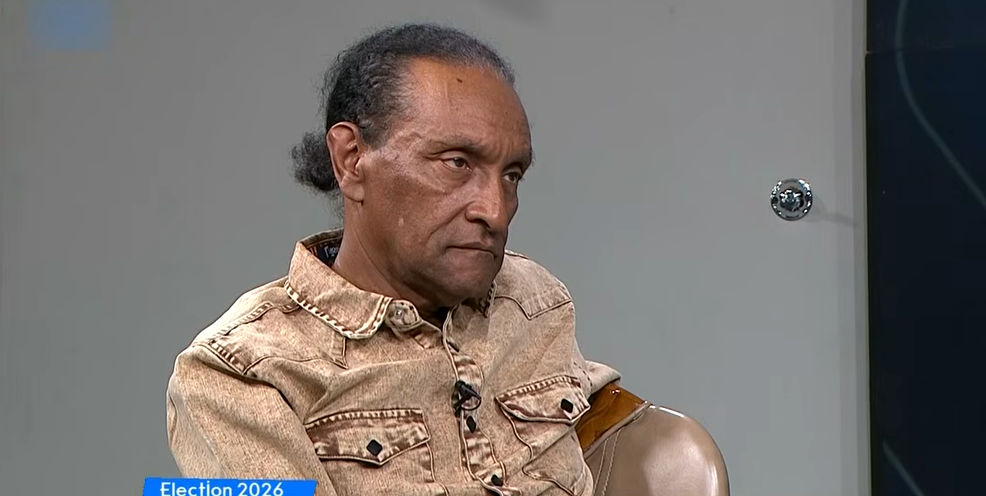
According to ACLED Senior Analyst for East Africa, Jalale Getachew Birru, the current escalation stems from internal fractures within the Tigray People’s Liberation Front (TPLF) that first became public in mid-2023.
Current Status:
- Factional Dominance: A hardline faction led by Debretsion Gebremichael has successfully accelerated its consolidation of power over the past year.
- Purging of Rivals: The reinstatement of TPLF authority inside Tigray has been characterized by the systematic removal of rival political figures and tightening of organizational control.
- Projections: Analysts track two immediate trajectories—either total consolidation by the Debretsion faction or a secondary internal violent confrontation.
3. Structural Inversion of Regional Alliances
The most critical indicator of a renewed conflict is a complete inversion of the alliances that defined the 2020–2022 war. The previous paradigm (Federal Government + Eritrea + Amhara Fano vs. TPLF) has collapsed into an “enemy of my enemy” doctrine.
The Realignment of Armed Actors and Factions
The alliance structures that defined the 2020–2022 war have completely inverted under an “enemy of my enemy” doctrine, radically shifting the security landscape:
- The Federal Government (Addis Ababa): Previously, the federal government held a powerful coalition with Eritrea and the Amhara Fano militia to combat Tigrayan forces. Today, the incumbent government appears isolated, standing by itself without its former regional partners.
- The TPLF (Debretsion Faction): Once entirely isolated and targeted by both federal and foreign armies, the dominant hardline faction of the TPLF is now actively collaborating with its former bitter enemies to secure its borders and interests.
- The Eritrean Government: In a sharp departure from the previous war—where its military launched combined operations alongside the Ethiopian Federal Army to crush the TPLF—the Eritrean government has shifted its position to a publicly visible alignment with the TPLF.
- The Amhara Fano Factions: Once a critical anti-TPLF militia force fighting alongside federal troops, the movement has fragmented. Certain prominent factions of the Fano movement have now entered into active cooperation and alignment with members of the TPLF.
4. The Western Tigray Fault Line (Primary Ignition Point)
ACLED’s June 2, 2026 report identifies Western Tigray as the most probable flashpoint for structural violence. The dispute is no longer a passive historical grievance but an active operational target due to mutually exclusive political objectives:
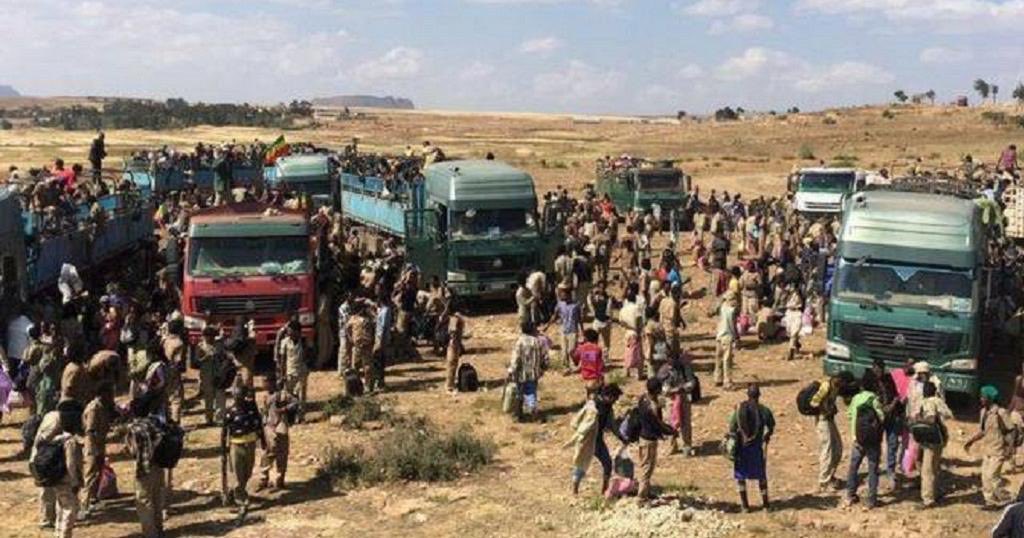
- TPLF Objective: Publicly stated intent to deploy the Tigray Defense Forces (TDF) to forcefully reassert administrative control and repatriate displaced Tigrayans.
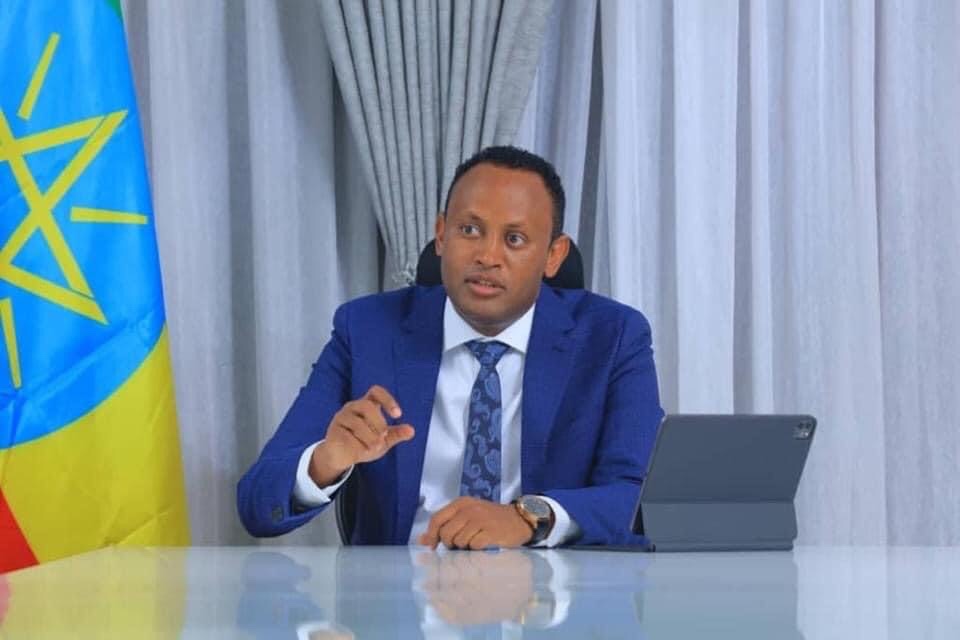
- Federal Objective: Insistence on navigating the dispute via constitutional frameworks, specifically a federally managed regional referendum.
- Strategic Implication: Control of Western Tigray grants direct physical access to the international border with Sudan. Securing this corridor would effectively decouple Tigray’s logistics from federal oversight, stripping Addis Ababa of economic and geographic leverage.
[Internal TPLF Consolidation Complete] │ ▼ [TDF Deployment Toward Western Tigray] │ ▼ [Triggering of Interconnected Amhara/Eritrean/Federal Alliances] │ ▼ [Multi-Regional / Horn of Africa Escalation]
5. Geopolitical Interdependencies & Horn of Africa Contagion
The localized friction in northern Ethiopia is interacting directly with a fluid, larger geopolitical contest across the Horn of Africa.
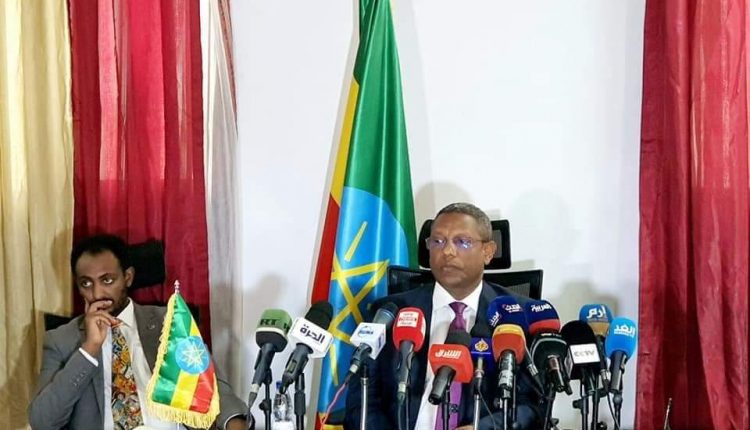
Security analysts note that high-level diplomatic delegations visiting Addis Ababa reflect heavy positioning by external states—specifically Sudan, Eritrea, various Gulf States, Türkiye, and Israel. While definitive outcomes of these backchannel regional calculations remain obscured, the TPLF’s external positioning cannot be separated from these broader international interests.
6. Risk Assessment & Strategic Outlook
While the federal government enters the post-election phase managing localized insurgencies in Oromia and ongoing instability in parts of Amhara, the northern sector remains the highest-threat.
Unlike isolated regional security issues, a flashpoint in Western Tigray is structurally designed to trigger multiple armed actors simultaneously due to the new network of cross-border alliances. The baseline security posture remains highly volatile. Observers must closely monitor the immediate post-election responses of the incumbent government as the TDF completes its internal consolidation and prepares for westward movement.
The VOE senior reporter