


Starting Jan. 1, 2025, Ukraine’s gas transmission system ceased transporting Russian gas. The transit of natural gas from the Sudzha entry point on Ukraine’s eastern border to exit points on its western and southern borders has been terminated.
This was announced in a statement by Ukraine’s Gas Transmission System Operator (GTSOU).
The transit agreement with Russia’s Gazprom expired at 7 a.m. Kyiv time on Jan. 1, 2025.
GTSOU CEO Dmytro Lippa stated that the company had prepared its infrastructure in advance to operate without Russian gas and to ensure reliable supply to Ukrainian consumers.
He noted that the company’s team is ready to operate under the new conditions. GTSOU also secured agreements to increase capacity for importing gas into Ukraine and transporting it to European consumers. Additionally, the operator optimized unused assets within the gas transmission system.
“In 2024, Ukraine for the first time secured guaranteed increased capacity in the southern direction—this is the Vertical Corridor—as well as guaranteed capacity from Poland,” the statement read.
Energy Minister Herman Halushchenko said on the national television that all necessary preparations for the system had been completed by GTSOU, ensuring Ukraine is “fully prepared to operate the system without Russian gas transit.”
On Jan. 1, the Energy Ministry reported that at 7 a.m., Ukraine, in the interest of national security, stopped Russian gas transit through its territory. Kyiv notified international partners accordingly.
End of Russian gas transit through Ukraine
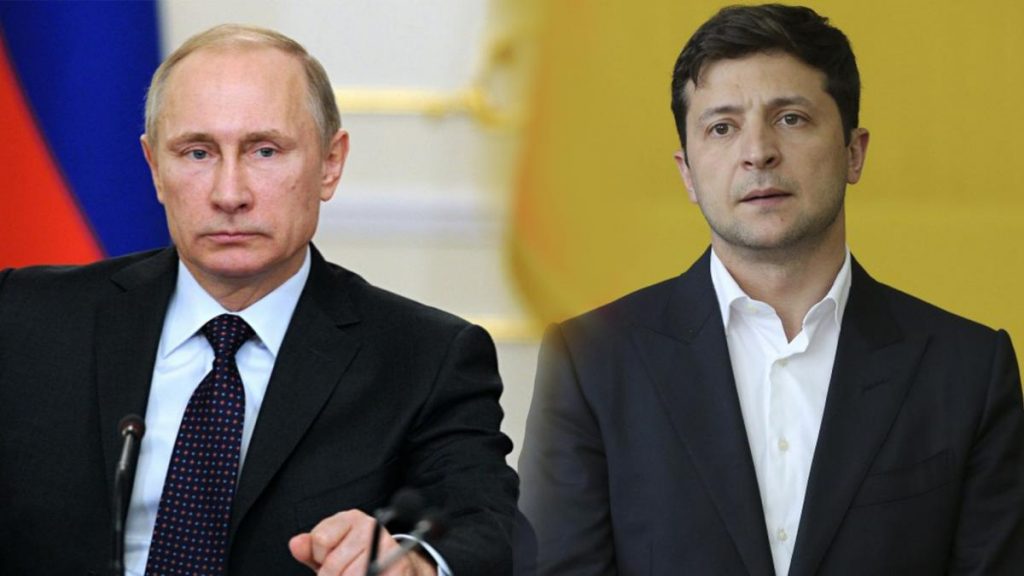
The transit agreement between Gazprom and Naftogaz for Russian gas through Ukraine expired on Jan. 1, 2025. Previously, Ukrainian President Volodymyr Zelenskyy had stated that Kyiv would not extend the agreement.
Slovak Prime Minister Robert Fico called Ukraine’s decision to halt Russian gas transit from Jan. 1 not just a political gesture but a “highly costly decision,” which he claimed would ultimately impact the European Union.
Reacting to the transit shutdown, Fico, who visited Moscow on Dec. 22 for talks with Russian dictator Vladimir Putin, threatened to stop electricity supplies during periods of energy shortages in Ukraine.
Zelenskyy responded to Fico’s threats, stating that Putin had tasked him with opening a “second energy front” at the expense of the Slovak people’s interests.
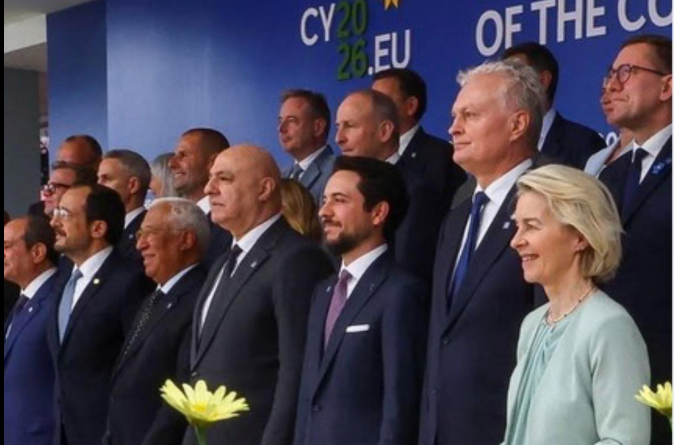
On Dec. 29, Fico wrote an open letter to European Council President António Costa and European Commission President Ursula von der Leyen, complaining about Ukraine’s refusal to extend Russian gas transit in 2025.
Via – the new voice of Ukraine