


AUnited Nations (UN) aid group, among others, were accused by Ethiopia of launching propaganda campaigns against them amid an ongoing eight-month conflict and humanitarian crisis in the country’s Tigray region.
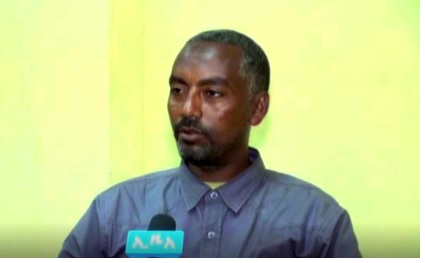
People are starving in Ethiopia’s Tigray region due to famine conditions as fighting between Tigray fighters and Ethiopian and Eritrean forces continues to ensue, the Associated Press reported. Humanitarian aid groups, such as the UN’s World Food Program (WFP), have been trying to assist the area. Redwan Hussein, the spokesman for the Tigray emergency task force, said aid groups are “playing a destructive role,” without specifically naming which ones.
“Instead of coordinating aid, (they) are widely engaged in coordinating, from a distance, campaigns of propaganda to harass and defame the Ethiopian government,” Hussein said.
Pro-government Ethiopian news agency ESAT news station alleged WFP supported Tigray fighters in a broadcast and the agency issued a response to the accusation on Thursday.




“WFP in Ethiopia and elsewhere in the world strictly adheres to the humanitarian principles of humanity, impartiality, neutrality and operational independence,” WFP said.
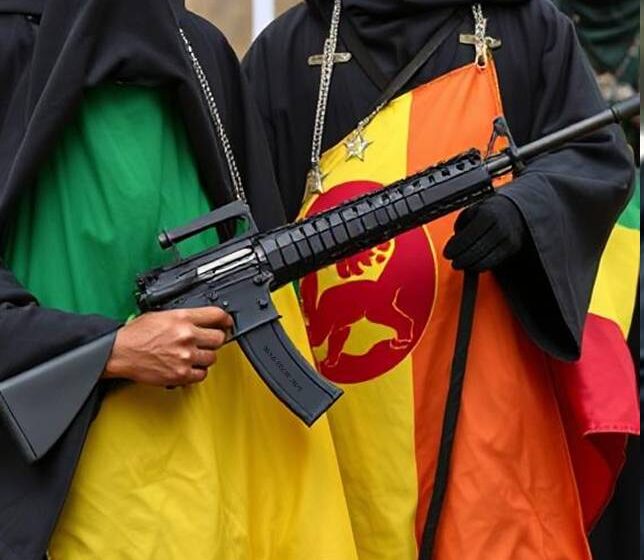
Ethiopia’s government has accused humanitarian aid groups working in its war-hit Tigray region of “arming” Tigray fighters and threatened to halt some groups’ operations there.
The accusations reflect the latest frictions between Ethiopia’s government and aid groups that for months have sought unrestricted access to the largely cut-off Tigray region where scores have starved to death.
Redwan also said Ethiopia’s government may “reconsider its agreement to work with some of them” if humanitarian workers do not “confine their activities to aid and humanitarian issues.”
“WFP’s number one priority is to deliver emergency food assistance to vulnerable and hungry communities,” the agency said.
The Tigray forces regained control of much of the region last month including the regional capital, Mekele, while Ethiopian forces retreated and the government declared a unilateral cease-fire.
Though Ethiopia’s government has said the cease-fire is on humanitarian grounds, aid groups have said access remains severely restricted and both the United States and European Union have compared the situation to a “siege.” Phone links, internet and electricity have been cut off across most of the region.
Convoys of aid trucks were unable to enter the region for 10 days. WFP said 50 trucks carrying 900 metric of food and other aid reached the Tigray capital on Monday but warned that “we need 100 trucks to be moving on any given day for half the time if we are to reverse the catastrophic humanitarian situation in the region.”
Ethiopia’s government has denied allegations it is blocking aid to Tigray and says humanitarian flights have been granted permission to fly to Mekele and the town of Shire, subject to cargo checks. Meanwhile, Prime Minister Abiy Ahmed has claimed there is “no hunger” in Tigray.
Abiy on Wednesday appeared to indicate an end to the cease-fire on Wednesday when he urged Ethiopians to “repel” attacks against “internal and external enemies.” His spokeswoman, Billene Seyoum, did not comment.
This week saw renewed fighting in the south and west of Tigray between the Tigray fighters and forces from the neighboring Amhara region who claim those lands are rightfully theirs. Amhara politicians have called on young people to join the fight.
The Tigray fighters have dismissed the cease-fire as a “joke” and released their own demands for a pause in the fighting, including the resumption of basic services to the region.
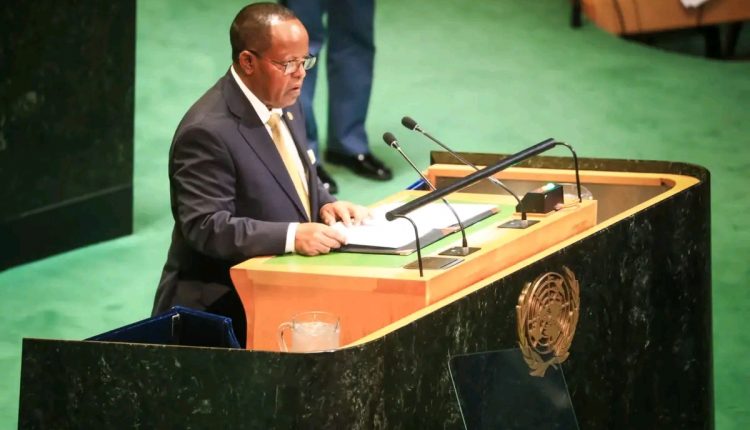
- President Taye champions Africa’s dev’t and regional transformation with GERD at UNGA 80In a comprehensive address to the 80th session of the United Nations General Assembly in New York, President Taye Atske-Selassie of Ethiopia underscored Africa’s development… Read more: President Taye champions Africa’s dev’t and regional transformation with GERD at UNGA 80
- Two African countries refuse to recognise Palestine. Here’s whyAt the United Nations General Assembly this week, one country after another rose to declare its recognition of a Palestinian state. Britain, Canada, Australia, France… Read more: Two African countries refuse to recognise Palestine. Here’s why
- UN Chief Stresses Need for Countries to Adopt Climate-smart Food Policies to Reduce Reliance on Food ImportsUN Secretary-General Antonio Guterres stressed the need for countries to adopt climate-smart food policies and enhance private sector participation to reduce reliance on food imports.… Read more: UN Chief Stresses Need for Countries to Adopt Climate-smart Food Policies to Reduce Reliance on Food Imports
- Puntland Intercepts Cargo Ship Carrying Weapons To MogadishuByMI News Network Authorities in Somalia’s semi-autonomous Puntland region have intercepted a cargo vessel which was carrying a massive consignment of military vehicles and weapons… Read more: Puntland Intercepts Cargo Ship Carrying Weapons To Mogadishu
- Burkina Faso ruling junta dissolves independent electoral commissionThe Burkinabe government adopted a bill on Wednesday at the Council of Ministers to dissolve the Independent National Electoral Commission (CENI). According to Minister of… Read more: Burkina Faso ruling junta dissolves independent electoral commission