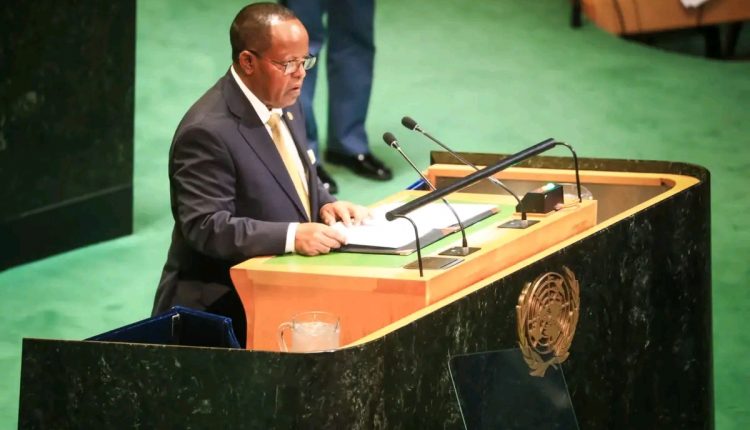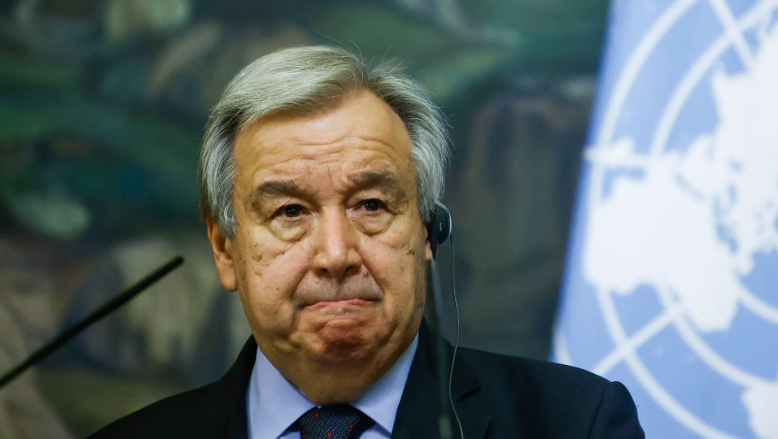



At the United Nations General Assembly this week, one country after another rose to declare its recognition of a Palestinian state.
Britain, Canada, Australia, France and Malta joined the growing chorus, bringing the total number of UN member states extending recognition to 157 – more than 80% of the world’s countries.
Clinging to alliances
For Africa, the shift was not dramatic. Most of its 54 states have long recognised Palestine, making the continent one of the most consistent backers of Palestinian self-determination.
Thirty-eight African states voted in favour of a Gaza ceasefire at the UN last year.
More storiesFor a government clinging to power after four decades, that calculus outweighs any moral or continental commitments

While the African Union (AU) has repeatedly condemned Israel’s military actions as violations of international law, South Africa pursues a genocide case against Israel at the International Court of Justice.
But Cameroon and Eritrea stand apart. Alone on the continent, they refuse to recognise the State of Palestine, clinging to alliances with Israel even as the tide of global opinion turns.
Their stance, according to analysts, is a window into how security, survival and leadership calculations can override continental solidarity and international consensus.
“Eritrea and Cameroon are not voting with their hearts or their history. They are voting with their vulnerabilities,” says Cameroonian activist Ken Mbah.
“For both, Israel is less about ideology and more about survival. It provides military technology, intelligence support and, crucially, diplomatic cover in forums where their regimes often face scrutiny,” he tells The Africa Report.
Biya’s long embrace of Israel
When Paul Biya, Cameroon’s president since 1982, restored diplomatic relations with Israel in 1986, he was bucking the continental tide.
Nearly every African state had cut ties with Israel in 1973 under Arab League pressure after the Yom Kippur War.
For Biya, the benefits of partnership outweighed the costs. Israel offered training and equipment for Cameroon’s elite Rapid Intervention Battalion, known by its French acronym, BIR.
Over the years, Israeli advisers and private contractors have played an important role in shaping the unit, which is deployed against Boko Haram in the north and separatist fighters in the Anglophone west.
“Cameroon’s relationship with Israel is transactional and rooted in regime security,” Mbah adds.
“Biya has calculated that alienating Israel could mean losing access to surveillance, training and hardware that his army relies on.
“For a government clinging to power after four decades, that calculus outweighs any moral or continental commitments.”
Eritrea and Cameroon are not voting with their hearts or their history. They are voting with their vulnerabilities
Economic and technical exchanges deepened the ties. The Cameroon-Israel relationship has held firm through successive Middle East crises.
When Hamas attacked Israel on 7 October 2023, Biya was among the first African leaders to send condolences to Israeli President Isaac Herzog, condemning Hamas and offering sympathy for Israeli victims.
His statement made no mention of Palestinian civilians killed in Gaza by Israeli strikes.
That stance contrasted sharply with the African Union, which called the war a result of Israel’s “denial of the fundamental rights of the Palestinian people”. Yet Biya did not waver.
For Mbah, Cameroon’s foreign policy is not shaped by ideology, but regime survival. “Israel provides President Biya with the tools to manage threats at home. That matters more than solidarity abroad.”
Afwerki’s isolation strategy
If Cameroon’s ties to Israel stem from dependence, Eritrea’s are born of isolation.
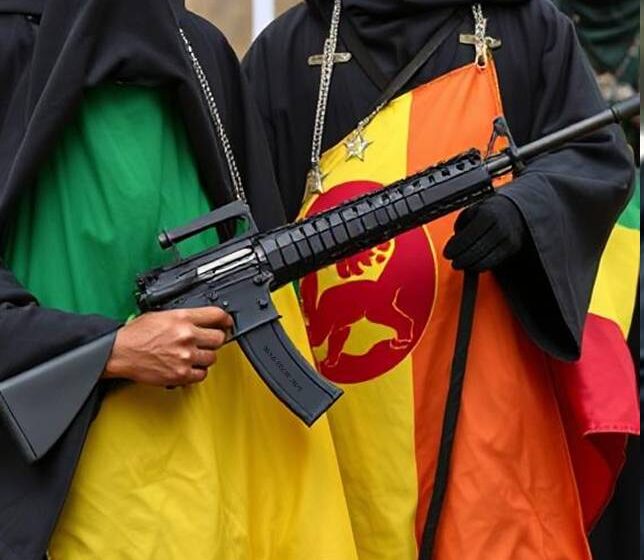
Since independence from Ethiopia in 1993, President Isaias Afwerki has presided over one of the world’s most closed political systems, Often referred to as “Africa’s North Korea”.
Relations with the West soured over human rights abuses and, more recently, Eritrea’s role in Ethiopia’s civil war.
The country has tense ties with many of its neighbours, including Sudan and Djibouti.
… Israel is less about ideology and more about survival. It provides military technology, intelligence support and, crucially, diplomatic cover in forums where their regimes often face scrutiny
Israel, by contrast, has offered strategic engagement without political conditions.
In the 1990s, Israeli officials sought access to Eritrea’s Red Sea ports and islands, prized for their proximity to vital shipping lanes.
Security cooperation followed, including intelligence sharing and arrangements on migration.
“Eritrea has very few friends,” says Biruk Melaku, an independent Horn of Africa researcher. “Israel has been one of the only countries willing to work with Asmara without demanding reforms. That makes the relationship invaluable to Isaias.”
In UN votes, Eritrea has often abstained or sided with Israel, ignoring AU’s consensus.
Unlike other African states, it has never extended recognition to Palestine.
The government in Asmara rarely explains its foreign policy decisions to the public, but officials are said to privately frame Israel as a partner that understands Eritrea’s precarious position on the Red Sea.
Africa’s broader drift toward Palestine
That stance has grown more conspicuous as African states press their case for Palestinian recognition.
South Africa has led the charge, invoking its own apartheid past to frame the Gaza conflict.
The African Union has hosted Palestinian leaders as honoured guests while pointedly excluding Israeli delegations from recent summits.
Even countries with close ties to Israel, such as Kenya and Ghana, have repeatedly supported Palestinian resolutions at the UN.
In December 2023, 38 African nations backed a ceasefire resolution in Gaza
According to geopolitical analyst Ovigwe Eguegu, the stance of Eritrea and Cameroon “has little impact on the continent’s ability to act collectively because 96% of Africa’s UN members already recognise the State of Palestine”.
Neither country, he adds, is diplomatically influential enough for its position to be read as a proxy for Africa’s broader outlook on global issues.
“They are outliers not because they reject Palestinian rights, but because they are prioritising regime survival over solidarity,” adds Biruk.
“In the moral theatre of the UN, they look isolated. But in the cold logic of power politics, their choices are brutally consistent.”
READ MORE African Union urges end to Israel-Gaza war
Yet Biruk argues the justification of survival doesn’t withstand scrutiny.
“Uganda has relied on Israeli security and intelligence cooperation for decades. Rwanda has forged some of the closest defence and technology ties with Israel on the continent. Yet both recognise Palestine and continue to work with Israel,” he says.
“If Kampala and Kigali can strike that balance, then Asmara and Yaoundé’s refusal [to declare recognition of a Palestinian state] looks less like necessity and more like political obstinacy.”
“Eritrea and Cameroon are not voting with their hearts or their history. They are voting with their vulnerabilities,” says Cameroonian activist Ken Mbah.
“For both, Israel is less about ideology and more about survival. It provides military technology, intelligence support and, crucially, diplomatic cover in forums where their regimes often face scrutiny,” he tells The Africa Report.
Biya’s long embrace of Israel
When Paul Biya, Cameroon’s president since 1982, restored diplomatic relations with Israel in 1986, he was bucking the continental tide.
Nearly every African state had cut ties with Israel in 1973 under Arab League pressure after the Yom Kippur War.
For Biya, the benefits of partnership outweighed the costs. Israel offered training and equipment for Cameroon’s elite Rapid Intervention Battalion, known by its French acronym, BIR.
Over the years, Israeli advisers and private contractors have played an important role in shaping the unit, which is deployed against Boko Haram in the north and separatist fighters in the Anglophone west.
“Cameroon’s relationship with Israel is transactional and rooted in regime security,” Mbah adds.
“Biya has calculated that alienating Israel could mean losing access to surveillance, training and hardware that his army relies on.
“For a government clinging to power after four decades, that calculus outweighs any moral or continental commitments.”
Eritrea and Cameroon are not voting with their hearts or their history. They are voting with their vulnerabilities
Economic and technical exchanges deepened the ties. The Cameroon-Israel relationship has held firm through successive Middle East crises.
When Hamas attacked Israel on 7 October 2023, Biya was among the first African leaders to send condolences to Israeli President Isaac Herzog, condemning Hamas and offering sympathy for Israeli victims.
His statement made no mention of Palestinian civilians killed in Gaza by Israeli strikes.
That stance contrasted sharply with the African Union, which called the war a result of Israel’s “denial of the fundamental rights of the Palestinian people”. Yet Biya did not waver.
For Mbah, Cameroon’s foreign policy is not shaped by ideology, but regime survival. “Israel provides President Biya with the tools to manage threats at home. That matters more than solidarity abroad.”
Afwerki’s isolation strategy
If Cameroon’s ties to Israel stem from dependence, Eritrea’s are born of isolation.
Since independence from Ethiopia in 1993, President Isaias Afwerki has presided over one of the world’s most closed political systems, Often referred to as “Africa’s North Korea”.
Relations with the West soured over human rights abuses and, more recently, Eritrea’s role in Ethiopia’s civil war.
The country has tense ties with many of its neighbours, including Sudan and Djibouti.
… Israel is less about ideology and more about survival. It provides military technology, intelligence support and, crucially, diplomatic cover in forums where their regimes often face scrutiny
Israel, by contrast, has offered strategic engagement without political conditions.
In the 1990s, Israeli officials sought access to Eritrea’s Red Sea ports and islands, prized for their proximity to vital shipping lanes.
Security cooperation followed, including intelligence sharing and arrangements on migration.
“Eritrea has very few friends,” says Biruk Melaku, an independent Horn of Africa researcher. “Israel has been one of the only countries willing to work with Asmara without demanding reforms. That makes the relationship invaluable to Isaias.”
In UN votes, Eritrea has often abstained or sided with Israel, ignoring AU’s consensus.
Unlike other African states, it has never extended recognition to Palestine.
The government in Asmara rarely explains its foreign policy decisions to the public, but officials are said to privately frame Israel as a partner that understands Eritrea’s precarious position on the Red Sea.
Africa’s broader drift toward Palestine
That stance has grown more conspicuous as African states press their case for Palestinian recognition.
South Africa has led the charge, invoking its own apartheid past to frame the Gaza conflict.
The African Union has hosted Palestinian leaders as honoured guests while pointedly excluding Israeli delegations from recent summits.
Even countries with close ties to Israel, such as Kenya and Ghana, have repeatedly supported Palestinian resolutions at the UN.
In December 2023, 38 African nations backed a ceasefire resolution in Gaza.
According to geopolitical analyst Ovigwe Eguegu, the stance of Eritrea and Cameroon “has little impact on the continent’s ability to act collectively because 96% of Africa’s UN members already recognise the State of Palestine”.
Neither country, he adds, is diplomatically influential enough for its position to be read as a proxy for Africa’s broader outlook on global issues.
“They are outliers not because they reject Palestinian rights, but because they are prioritising regime survival over solidarity,” adds Biruk.
“In the moral theatre of the UN, they look isolated. But in the cold logic of power politics, their choices are brutally consistent.”
Yet Biruk argues the justification of survival doesn’t withstand scrutiny.
“Uganda has relied on Israeli security and intelligence cooperation for decades. Rwanda has forged some of the closest defence and technology ties with Israel on the continent. Yet both recognise Palestine and continue to work with Israel,” he says.
“If Kampala and Kigali can strike that balance, then Asmara and Yaoundé’s refusal [to declare recognition of a Palestinian state] looks less like necessity and more like political obstinacy.”
The Africa Report