

Amid a looming food crisis, Ethiopia has emerged as an African country that has taken significant steps to achieve self-sufficiency in food production.
With support from the African Development Bank’s agricultural Technologies for African Agricultural Transformation program, Ethiopia has not imported grain in 2022, African Development Bank President Akinwumi Adesina emphasized during a meeting with G7 development ministers meeting on Thursday.
This comes as Africa faces a severe shortage of at least 30 million metric tons of food supplies arising from the Russia-Ukraine war. The war has especially affected wheat, maize, and soybeans imported from both countries.
“We provided over 61,000 metric tons of seed – of heat-tolerant wheat varieties to Ethiopia,” Adesina told development ministers of Canada, France, the European Union, Germany, Italy, Japan, the United Kingdom, and the United States.
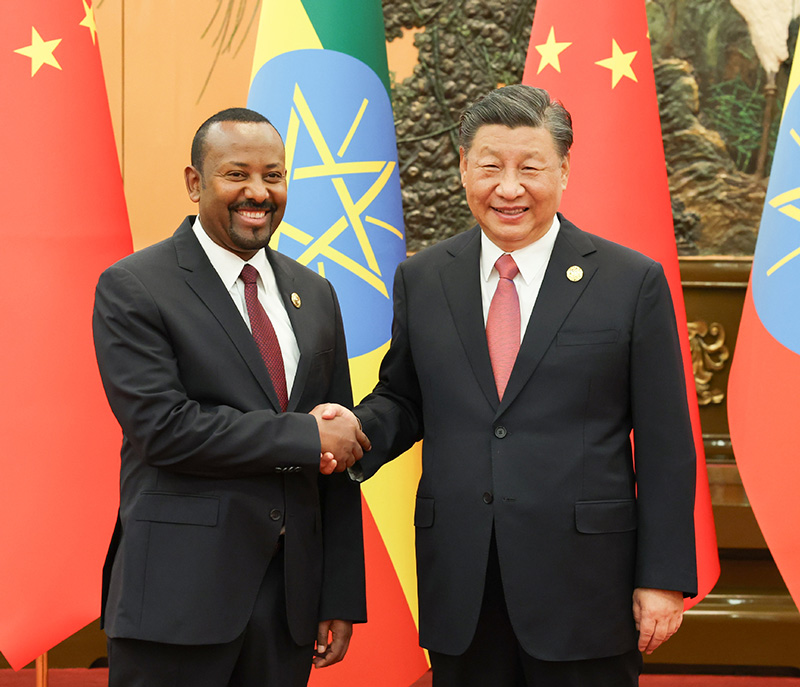

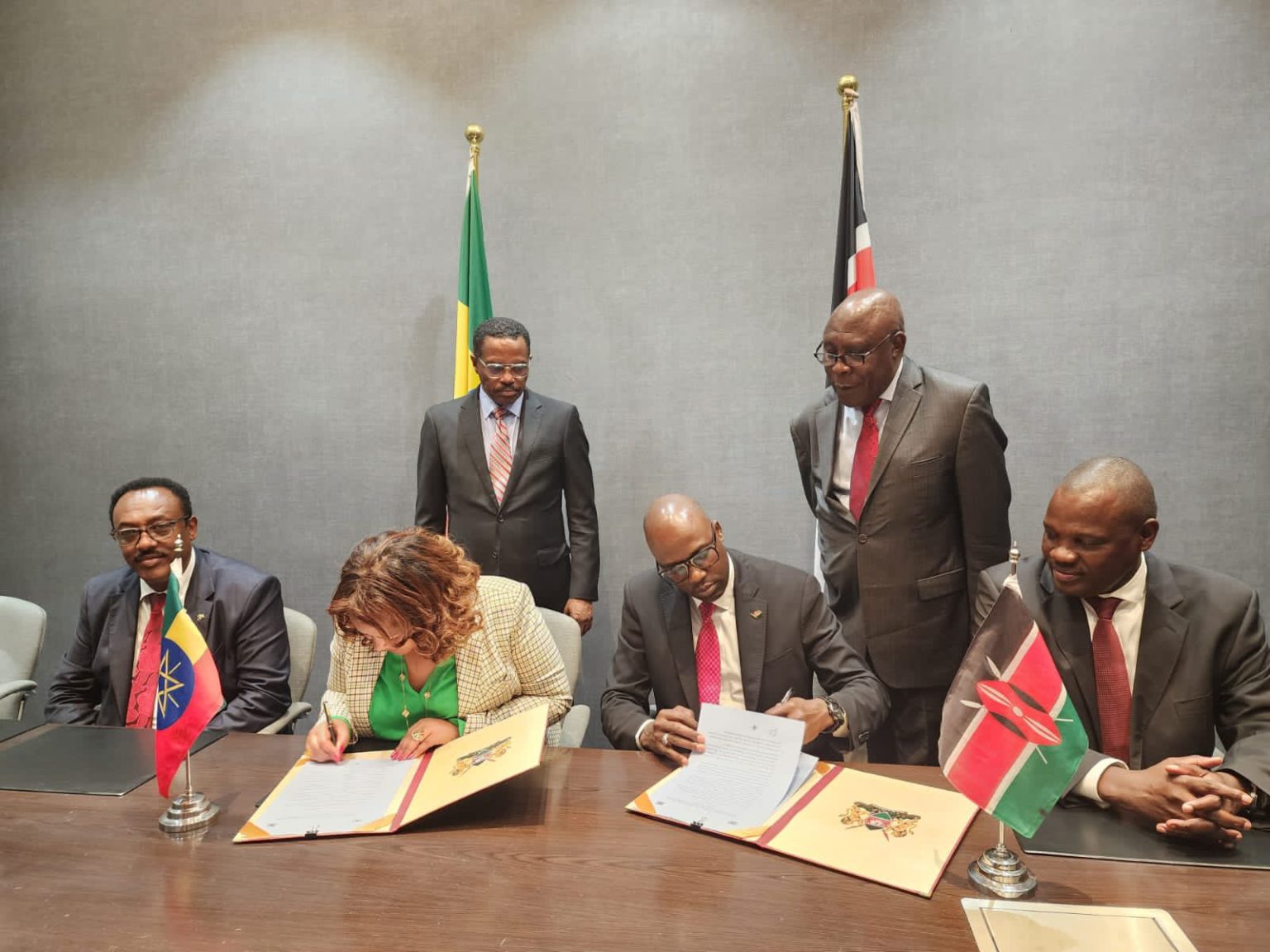
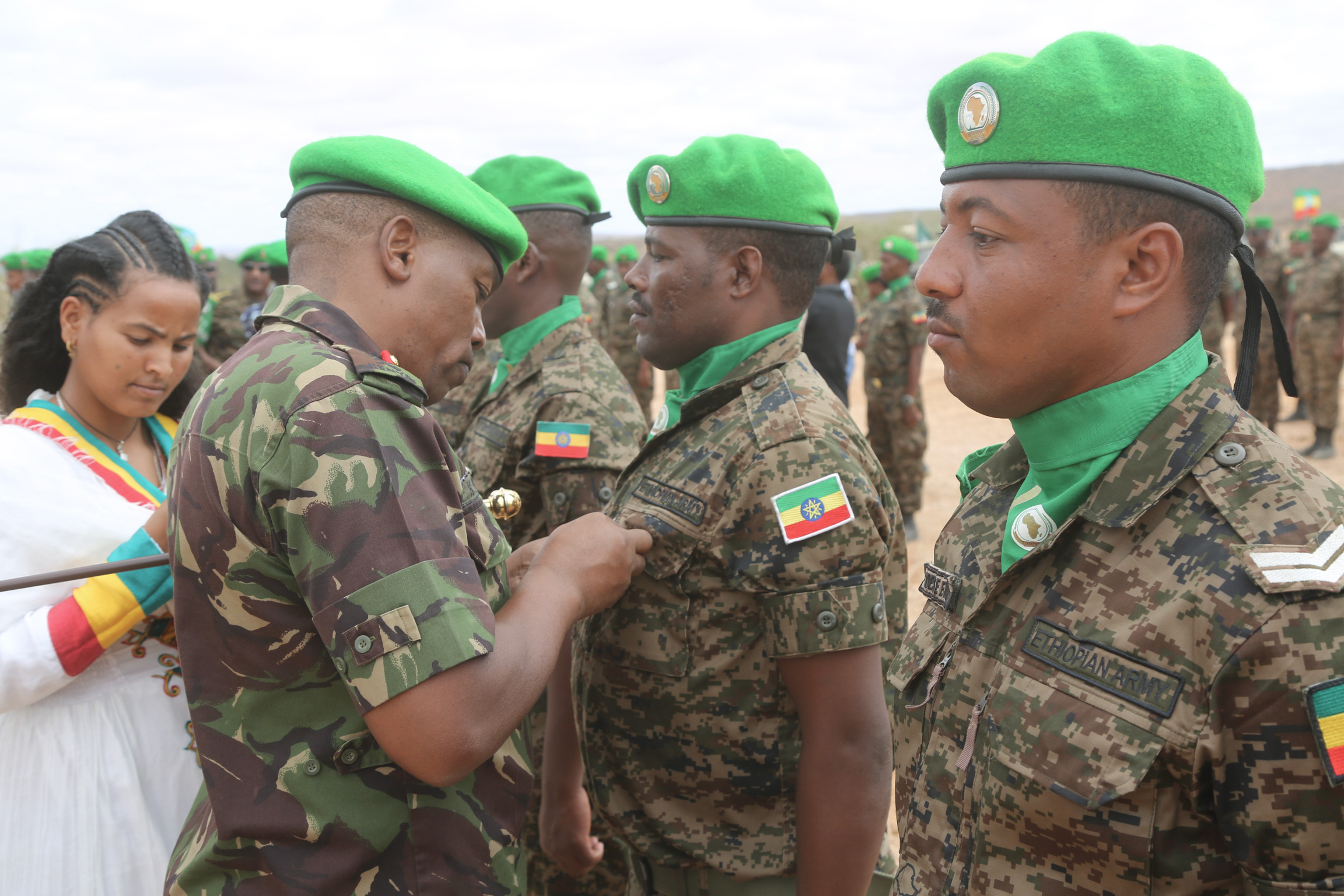
The seeds have enabled Ethiopia to boost its cultivated areas of wheat production from 50,000 hectares in 2018 to 167,000 hectares in 2021 and to 400,000 hectares in 2022, Adesina said. The Bank chief said he learned from a meeting with Ethiopian Prime Minister Abiy Ahmed last week that Ethiopia had not imported wheat this year.
Adesina said he learned that Ethiopia is now producing wheat on 650,000 hectares and is on track to cultivate 2 million hectares next year. The country harvested 2.6 million tons and plans to begin exporting to Kenya and Djibouti next year.
“What an incredible story of success. Africa has what it takes to feed itself,” Adesina said.
Ministers from several African states, including Senegal, South Africa, Tunisia and Zambia attended the meeting, convened by Germany, which holds the current presidency of the G7. The African ministers played an active part in discussions on the core subject matter: “Response to Multiple Crises on the African Continent – focusing on Food Security.” Representatives of the African Union Commission, the International Fund for Agricultural Development, the International Monetary Fund, the United Nations Development Programme, the World Bank Group and the World Food Programme also took part in the meeting.
Albert Muchanga, commissioner for Trade and Industry of the African Union Commission, said despite efforts across Africa to resolve food production, Africa remained a net importer of food, and stressed that the time had come to end this.
Other speakers supported Muchanga’s views, highlighting the impact of the war in Ukraine, climate change, as well as medium- and long-term measures to ensure food security in Africa.
Senegal’s finance minister, Amadou Hott, said his government had set aside 11% of its budget for the agriculture sector to help address the crisis. He added that the Senegalese government had increased its overall agriculture budget by 17%.
Describing humanitarian aid as a “band-aid” response, World Food Programme Assistant Executive Director for Partnerships and Advocacy, Ute Klamert, said the war in Ukraine must be seen a global turning point.
International Labour Organisation director-general Gilbert Houngbo said the solution lay in transforming the food system and the utmost importance of social protection for the poorest.
“There is nothing natural or inevitable about food shortages in Africa,” UK development minister James Cleverly noted. He also said that removing internal barriers of trade within Africa to demonstrate the benefits of free trade was yet another crucial point.
Adesina said a $1.5 billion Africa Emergency Food Production Plan by the African Development Bank would be used to support African countries in producing food rapidly. He explained that this would be by supporting smallholder farmers to fill the food shortfall caused by the disruption of food supplies arising from the Russia-Ukraine war. Africa now faces a shortage of at least 30 million metric tons of food, especially wheat, maize, and soybeans imported from both countries.
The African Emergency Food Production Facility will provide 20 million African smallholder farmers with certified seeds. The African Development Bank plans to invest $1.3 billion in the plan’s implementation and Adesina said he would seek G7 support for $200 million needed to close the financing gap.
ADB official website
- ፖሊስ “ቴዎድሮስ በሚስቱ ሚዲያ ለምን ቤቱ ቅጭ ብሎ መግለጫ አይሰጥም ነበር?ዘፈኑ ገና ከመለቀቁ በፊት ጀምሮ በተከታታይ አየሩን የያዙት መረጃዎች ሁሉ በኦፊሳል ከቴድሮስ ካሳሁን፣ ከባለቤቱ ወይም በህግ የሚታወቁ ወኪሎቹና ተቋማትን ምንጭ ያደረጉ አልነበሩም። ይህ እስከታተመ ድረስ ቴዲም ሆነ የተጠቀሱት አካላት ስለሚሰሙት ቁጥር… Read more: ፖሊስ “ቴዎድሮስ በሚስቱ ሚዲያ ለምን ቤቱ ቅጭ ብሎ መግለጫ አይሰጥም ነበር?
- ቅዳሜ ምሽት በዋሽንግተን ዲሲ ሂልቶን፤ ሶስት ቀን የተደበቀው “ትኩላ” ዝርዝር ሪፖርትአዲስ ሪፖርተር ዜና – “ቅዳሜ ምሽት፤ በዋሽንግተን ዲሲ የሚገኘው ታዋቂው ሂልተን ሆቴል በደመቀ ድባብ ውስጥ ነበር። በመቶዎች የሚቆጠሩ ጋዜጠኞች፣ ከፍተኛ የመንግስት ባለስልጣናት እና ታዋቂ ግለሰቦች የኋይት ሃውስ የጋዜጠኞች ማህበርን ዓመታዊ እራት… Read more: ቅዳሜ ምሽት በዋሽንግተን ዲሲ ሂልቶን፤ ሶስት ቀን የተደበቀው “ትኩላ” ዝርዝር ሪፖርት
- “ኢሳያስ ከአሜሪካ ወዳጅነትን ይፈራሉ፤ ግንቡ ይፈርስባቸዋል” ቲቦር ናጊለሶስት አስርት ዓመታት በማዕቀብ ተቆልፎባት የኖረችው ኤርትራ በኢትዮጵያ ለውጥ መምጣቱን ተከትሎ ሰንሰለቱ ተበጥሶላት ነበር። ጦርነትም፣ ሰላምም ባልነበረበት ሁኔታ ተዘግቶባት የነበረችው ኤርትራ ከኢትዮጵያ ጋር ሰላም አውርደው ብዙም ሳይቆዩ አሁን ወዳሉበት ደረጃ ደረሱ።… Read more: “ኢሳያስ ከአሜሪካ ወዳጅነትን ይፈራሉ፤ ግንቡ ይፈርስባቸዋል” ቲቦር ናጊ
- አውሮፓ ህብረት የጋራ መከላከያ ለማቋቋም የስምምነት ረቂቅ ሊያዘጋጅ ነውቪኦኢ ዜና -በአውሮፓ ህብረት እና በሰሜን አትላንቲክ ቃል ኪዳን ድርጅት (NATO) መካከል ያለው ግንኙነት ጥርጣሬ ውስጥ በወደቀበት በዚህ ወቅት፣ የአውሮፓ ህብረት አባል ሀገራት በድንገተኛ አደጋ ጊዜ እርስ በርስ የሚረዱበትን አዲስ የጋራ… Read more: አውሮፓ ህብረት የጋራ መከላከያ ለማቋቋም የስምምነት ረቂቅ ሊያዘጋጅ ነው
- የኢልሀን ኦማር የ30 ሚሊዮን ዶላር የሀብት መዝገብ እየተመረመረ ነው “የሂሳብ ስህተት ነው” ብላለችቪኦኢ ዜና -በአሜሪካ ምክር ቤት አባል ኢልሀን ኦማር የሀብት መግለጫ ላይ ታይቶ የነበረውና ከፍተኛ ውዝግብ አስነስተው የነበረው የ30 ሚሊዮን ዶላር ሃብት “የሂሳብ ባለሙያዎች ስህተት” መሆኑን ጽህፈት ቤታቸው አስታወቀ። ምርመራው ቀጥሎ ማስተባበያው… Read more: የኢልሀን ኦማር የ30 ሚሊዮን ዶላር የሀብት መዝገብ እየተመረመረ ነው “የሂሳብ ስህተት ነው” ብላለች