


With missiles flying between Iran and Israel, nuclear talks crumbling, and global powers watching closely, what does this mean for Iran’s future? Could this be the tipping point for a nation already grappling with internal unrest and external threats? Let’s unravel the details of this explosive story, explore the unanswered questions, and ask: Is Iran teetering on the edge of a historic transformation?
The Breaking News: Iran Under Fire
On June 13, 2025, Israel launched its largest-ever military operation against Iran, targeting nuclear facilities, missile factories, and key military figures. Iran hit back with missiles striking Israeli cities like Tel Aviv and Haifa, killing at least 10 people, according to medics. The conflict intensified on June 15, with Israel bombing Tehran’s oil depots and Iran launching Operation Honest Promise 3, as reported by state TV.

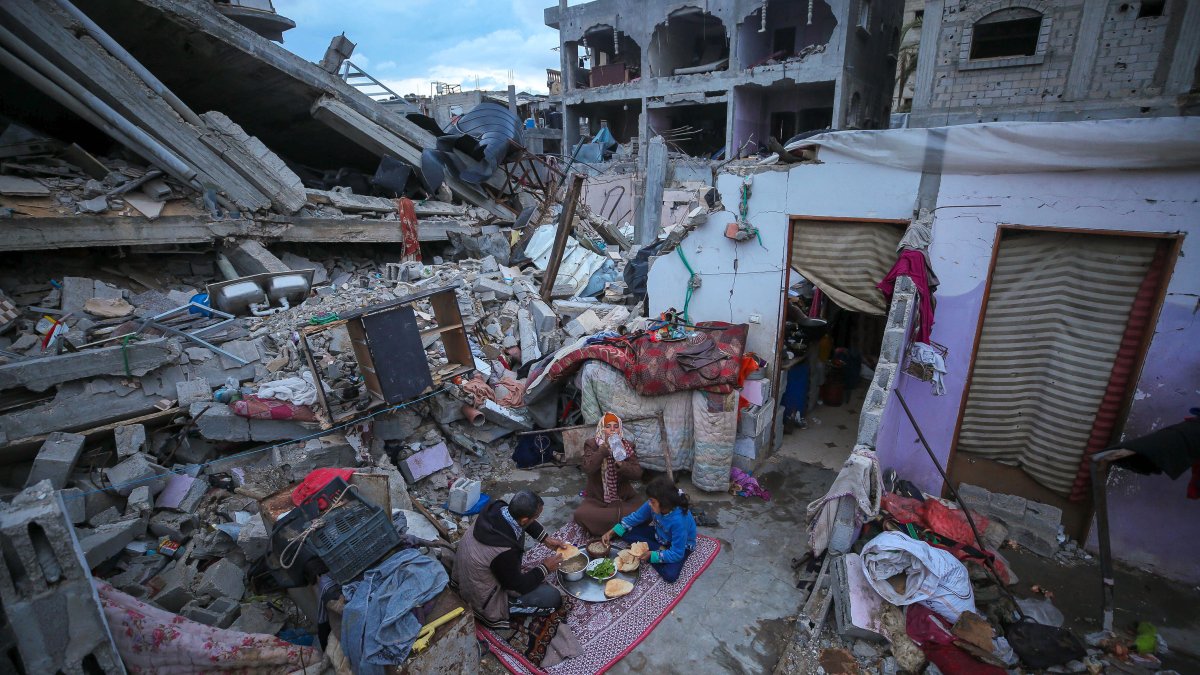
This tit-for-tat escalation has left the Middle East on edge. Iran reports 78 deaths on the first day of Israel’s campaign, including 29 children in a collapsed Tehran apartment block. Israel confirms at least seven deaths from Iranian strikes in cities like Bat Yam and Tamra. Why has this conflict exploded now, and what’s at stake for both nations?
Why This Conflict Matters
The Iran-Israel clash isn’t just a regional spat — it’s a global flashpoint. Iran’s nuclear ambitions, its role in the “axis of resistance,” and its strategic alliances with Russia and China make this conflict a powder keg.

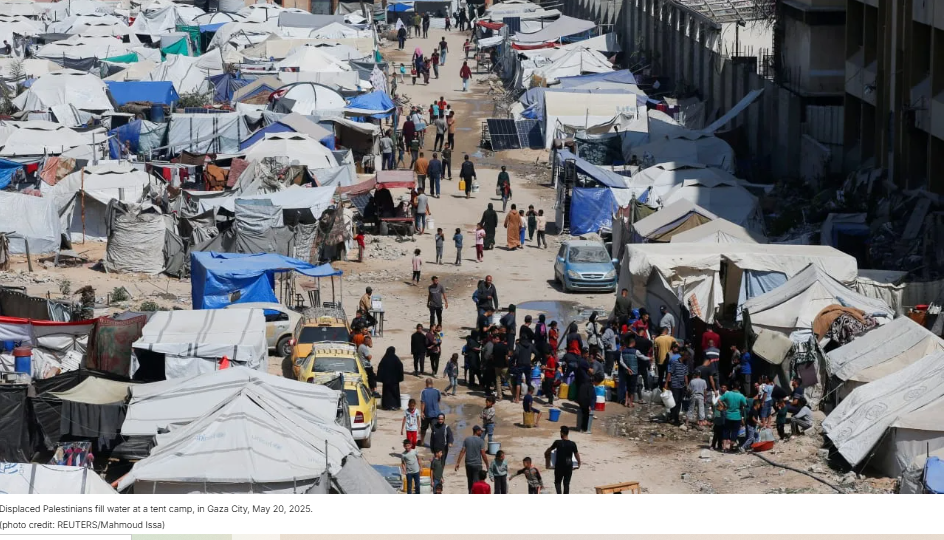

Iran’s stability affects regional security, energy prices. Could this war reshape the Middle East and drag in superpowers like the U.S. and China?
Unanswered Questions: What’s Next for Iran?
- Is Israel aiming for regime change? Beyond targeting nuclear sites, Israel has killed top Iranian commanders like Maj Gen Mohammad Bagheri and IRGC chief Hossein Salami. Is this a deliberate “decapitation” strike to destabilize Tehran’s leadership?
- Will Iran’s nuclear program survive? Israel claims it hit Iran’s weaponization program, but Iran insists its nuclear facilities are for peaceful purposes. Who’s telling the truth, and can Iran rebuild if its sites are damaged?
- What’s the U.S. role? Iran accuses the U.S. of backing Israel’s strikes, despite Washington’s denials. With U.S. forces helping intercept Iranian missiles, is America already in the fray?
- Can Iran’s economy withstand this? With oil facilities ablaze and sanctions biting, how will Iran cope with mounting economic pressure? Could this spark another “Woman Life Freedom” uprising like 2022?
These questions remain unresolved, but this conflict could redefine Iran’s place in the world. A global diplomatic fallout, with nuclear talks in Oman delayed and Russia condemning Israel’s “unprovoked” strikes.
What Do You Think?
Have you seen reactions to this news on X or other platforms? Do you think Iran can weather this storm, or is it headed for collapse? Share your thoughts in the comments and join the conversation about this unfolding crisis.
The Bigger Picture: Iran’s Fragile State
Iran is no stranger to conflict, but the scale of this crisis is unprecedented. Paints a picture of a nation under siege — not just from Israel but from within. Decades of sanctions, economic woes, and suppressed dissent have weakened the Islamic Republic. The 2022 “Woman Life Freedom” protests showed deep public discontent over women’s rights, minority issues, and economic hardship. Now, with Israel targeting Iran’s energy infrastructure — like the Shahran oil depot in Tehran — ordinary Iranians face even greater struggles.
Why Iran’s Leadership Is Vulnerable
- Loss of Key Figures: The deaths of military leaders like Bagheri and Salami, plus nuclear negotiator Ali Shamkhani, have gutted Iran’s chain of command.
- Weakened Proxies: Iran’s regional allies — Hamas, Hezbollah, and Syria’s al-Assad regime — have been crippled, leaving Tehran isolated. Only Yemen’s Houthis remain active, but their impact is limited.
- Public Discontent: Many Iranians are fed up with the regime’s hardline policies. Could Israel’s strikes ignite a revolution, as some analysts suggest?
What’s Next? The Road Ahead for Iran
As the conflict rages, Israel’s Prime Minister Benjamin Netanyahu vows to continue strikes until Iran’s nuclear threat is eliminated, while Iranian President Masoud Pezeshkian warns of a “more severe” response. President Trump, meanwhile, urges Iran to negotiate but threatens “overwhelming force” if it attacks U.S. interests. Will diplomacy prevail, or is a wider war inevitable?
Scenarios to Watch
- Escalation: If Iran targets Gulf states or U.S. bases, the conflict could spiral into a regionwide war, disrupting global oil supplies.
- Regime Change: Israel’s attacks might weaken Iran’s leadership enough to spark internal unrest, though a more hardline successor could emerge.
- Diplomatic Breakthrough: Unlikely but possible, a last-ditch nuclear deal could pause hostilities, though trust is at an all-time low.
Final Thoughts: Iran at a Crossroads
Iran’s crisis is more than just news — it’s a window into a nation at a pivotal moment. With Israel’s relentless strikes, Iran’s defiant retaliation, and the world holding its breath, the stakes couldn’t be higher. Will Iran emerge stronger, crumble under pressure, or transform into something new? By asking tough questions and digging into the human cost, Geo News keeps us hooked on this unfolding drama. One thing’s clear: Iran’s future hangs in the balance, and the world is watching.
Read the original story on Medium