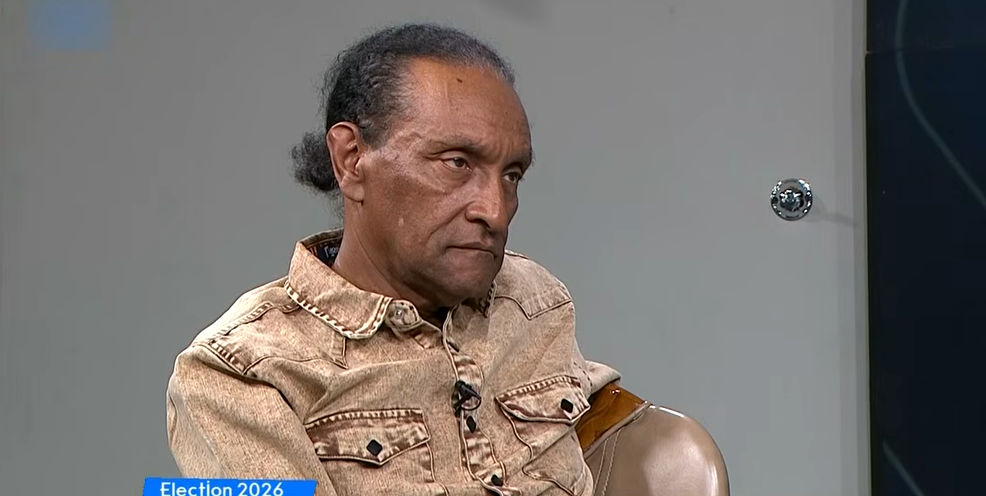
ADDIS ABABA VOE — Major Dawit Woldegiorgis, a prominent and controversial Ethiopian political figure, is actively working under the auspices of the Eritrean government to forge a massive new coalition of armed rebel groups to overthrow the ruling Prosperity Party, Voice of Ethiopia (VOE) has learned from highly reliable sources.
The ambitious geopolitical maneuver aims to coordinate disparate insurgent factions across the Horn of Africa to launch a unified military operation against the current Ethiopian administration.
Broad Regional Coalition Assembled
According to confidential sources close to the developments, Major Dawit has already succeeded in bringing several high-profile regional armed factions into the pact. Factions that have reportedly signed onto the coalition include:
- The Oromo Liberation Front (OLF)
- Gambella armed factions
- Benishangul armed groups
- Elements from Northern Sudan
- Eritrean-backed forces
In a bid to expand this alliance, Major Dawit recently held meetings with an influential Washington, D.C. resident of Afar descent who maintains close ties to Afar armed militants. During the discussion, which was disclosed to VOE, Dawit aggressively lobbied the Afar representative to join the front, stating that the coalition’s primary focus now rests on securing the integration of the remaining regional forces: the Southern Ethiopia, Somali, and Afar militants.
Leaked plans reveal the central objective is to dismantle the Ethiopian National Defence Force, replicating the 1991 collapse of the Derg regime.
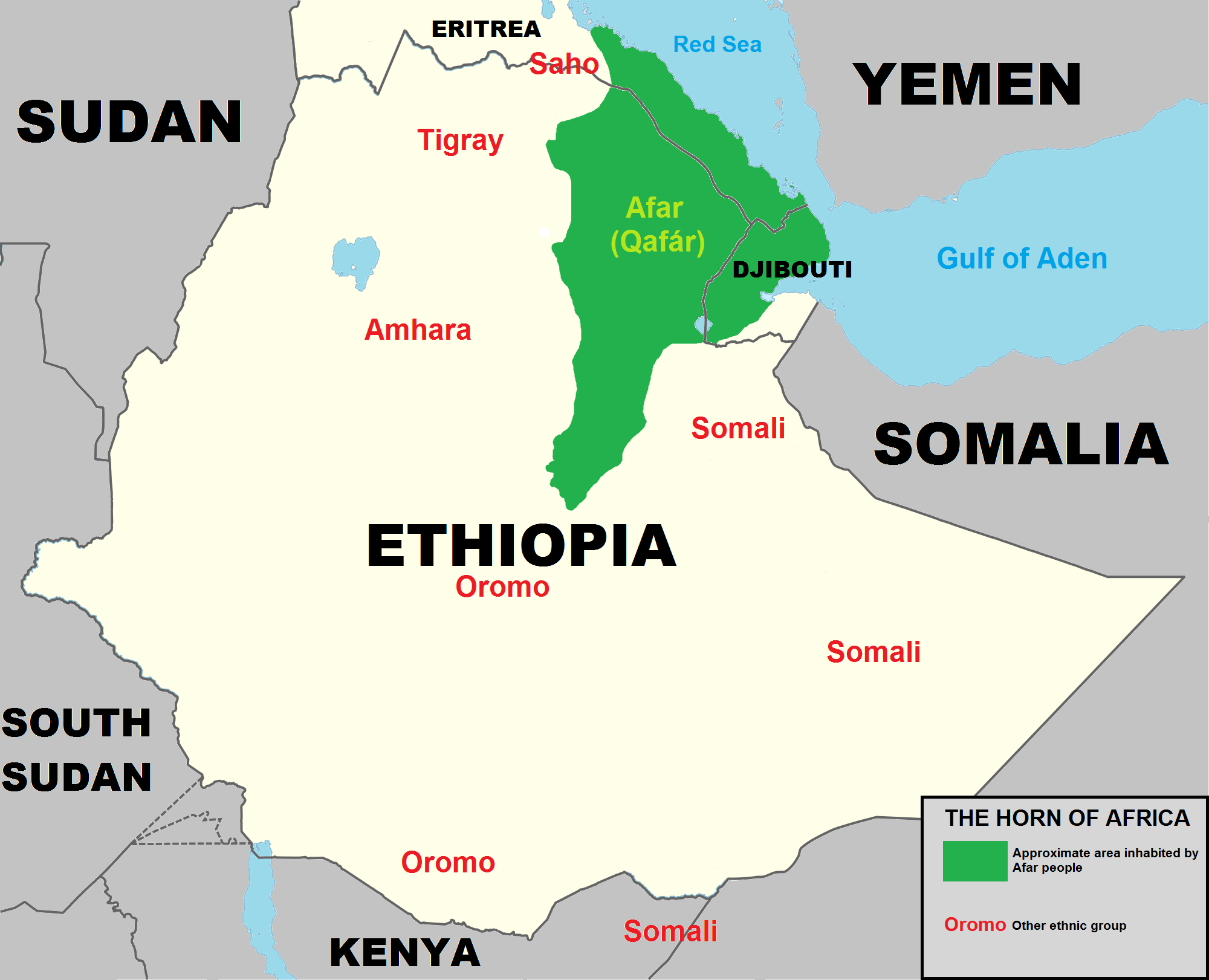

Sources further reveal that once these final pieces are secured, the Tigray People’s Liberation Front (TPLF) is slated to be integrated into the alliance immediately before launching full-scale military operations.
The Two-Month Timeline and Strategy
Major Dawit reportedly told stakeholders that the upcoming military campaign is highly accelerated, projected to wrap up within a maximum of two months once launched.
The explicit strategic objective of the operation is to forcefully remove the ruling Prosperity Party from power and change the government, drawing a direct historical parallel to the 1991 (1983 EC) collapse and dissolution of the Mengistu Haile Mariam (Derg) regime, which included the complete dismantling of the then-state military structure.
A Sequel to Failed Transitions
Insiders analyze this new coalition as a direct resurrection of previous failed regime-change strategies. Specifically, this new front is seen as a replacement for the defunct task force previously led by political figures like Neamin Zeleke. That prior initiative, which aimed to trigger a widespread armed uprising to prevent national elections from taking place in Ethiopia, ultimately collapsed after its core objectives failed to materialize.
A History of Controversy and Allegations
Major Dawit’s leadership of this new military front comes amid heavy scrutiny regarding his financial and political track record. Recently, while serving as the head of an Atlanta-based support network for Amhara armed groups, Dawit faced severe internal backlash and accusations of misappropriating and embezzling massive sums of movement funds.
This is not the first time financial scandals have followed the former official. Critics and historical records frequently cite the 1984/85 (1977 EC) Ethiopian famine, during which Dawit, as head of the Relief and Rehabilitation Commission (RRC), defected to the West amid allegations of embezzling humanitarian relief funds.
Furthermore, his historical tenure as the Governor of Eritrea under the Derg regime remains a point of deep contention. Due to his early, back-channel relationships with the Eritrean People’s Liberation Front (EPLF/Shaebia), nationalist detractors have long branded him a “traitor” (Kahatji) to the Ethiopian state.
With Eritrea now reportedly acting as the primary patron of this burgeoning multi-ethnic armed coalition, Dawit’s historical ties to Asmara have once again taken center stage in regional geopolitics.
VOE will continue to monitor this developing story as more details emerge regarding the coalition’s movements along the border regions.