VOE NEWS | ADDIS ABABA | July 29, 2026 – The Chairperson of the African Union (AU) Executive Council, Édouard Nduwimana, has renewed Africa’s longstanding call for fair and permanent representation on the United Nations Security Council, arguing that global governance institutions must evolve to reflect the political and economic realities of the 21st century.
Speaking at the opening of the 49th Ordinary Session of the African Union Executive Council at the AU Headquarters in Addis Ababa on Wednesday, Nduwimana said Africa’s growing influence in international affairs should be matched by meaningful reforms that give the continent a stronger voice in global decision-making.
Nduwimana, who also serves as Burundi’s Minister of Foreign Affairs and Development Cooperation, described Africa’s admission into the G20 as a historic milestone that recognizes the continent’s increasing role in shaping the global economy. However, he stressed that broader reforms remain necessary, particularly regarding the composition of the United Nations Security Council.
“The time has come for global governance structures to better reflect today’s world,” Nduwimana said, reaffirming Africa’s demand for permanent representation on the Security Council.


The Executive Council Chair reiterated the Ezulwini Consensus and the Sirte Declaration as the official foundations of Africa’s common position on UN Security Council reform. Those two landmark African Union policy documents call for the continent to receive permanent seats with full voting rights, as well as additional non-permanent seats, to address what African leaders have long described as a historic imbalance in the international system.
Nduwimana urged African countries to maintain a united diplomatic front by speaking with one voice, defending shared interests, and strengthening solidarity in international forums.
Addressing the continent’s broader development agenda, he acknowledged that Africa continues to face significant challenges, including persistent armed conflicts, climate change, economic pressures, unemployment, and the urgent need to accelerate industrialization while strengthening economic self-reliance.
Despite these obstacles, he said Africa remains optimistic about its future and is increasingly establishing itself as an indispensable actor in global affairs.
The Chairperson also emphasized the importance of translating African Union decisions and policy commitments into tangible improvements for citizens across the continent, calling for stronger implementation of AU programs and initiatives.
On financing, Nduwimana urged member states to strengthen the African Union’s financial independence by increasing domestic contributions.
“A strong Union should be funded first by Africans themselves,” he said, arguing that sustainable financing would enhance the AU’s credibility, predictability, and independence in decision-making.
He further called for preserving the African Union’s tradition of consensus-based decision-making, describing consensus as a sign of political maturity and an essential tool for maintaining unity among member states.
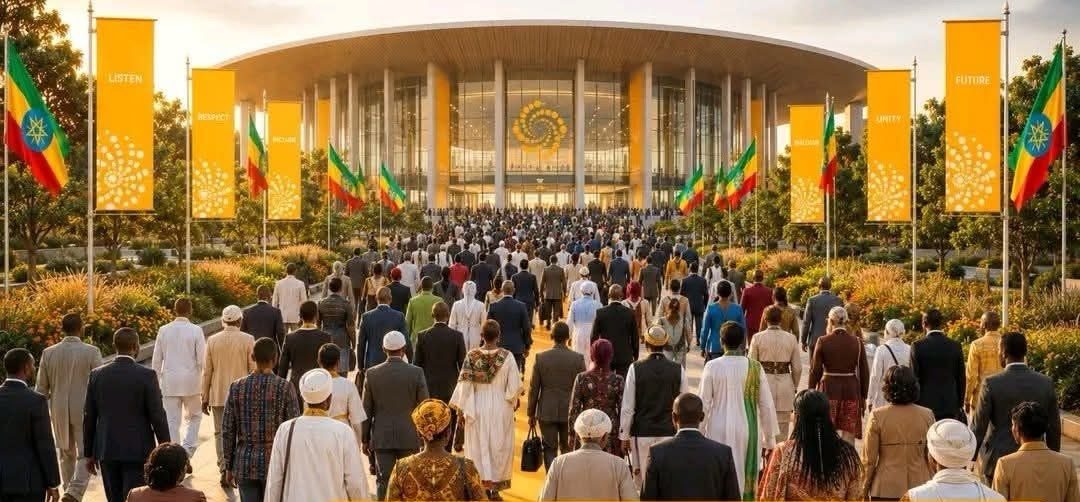
Nduwimana concluded by expressing appreciation to the Government and people of Ethiopia for hosting the session, describing Addis Ababa as a historic symbol of Pan-Africanism and continental solidarity.
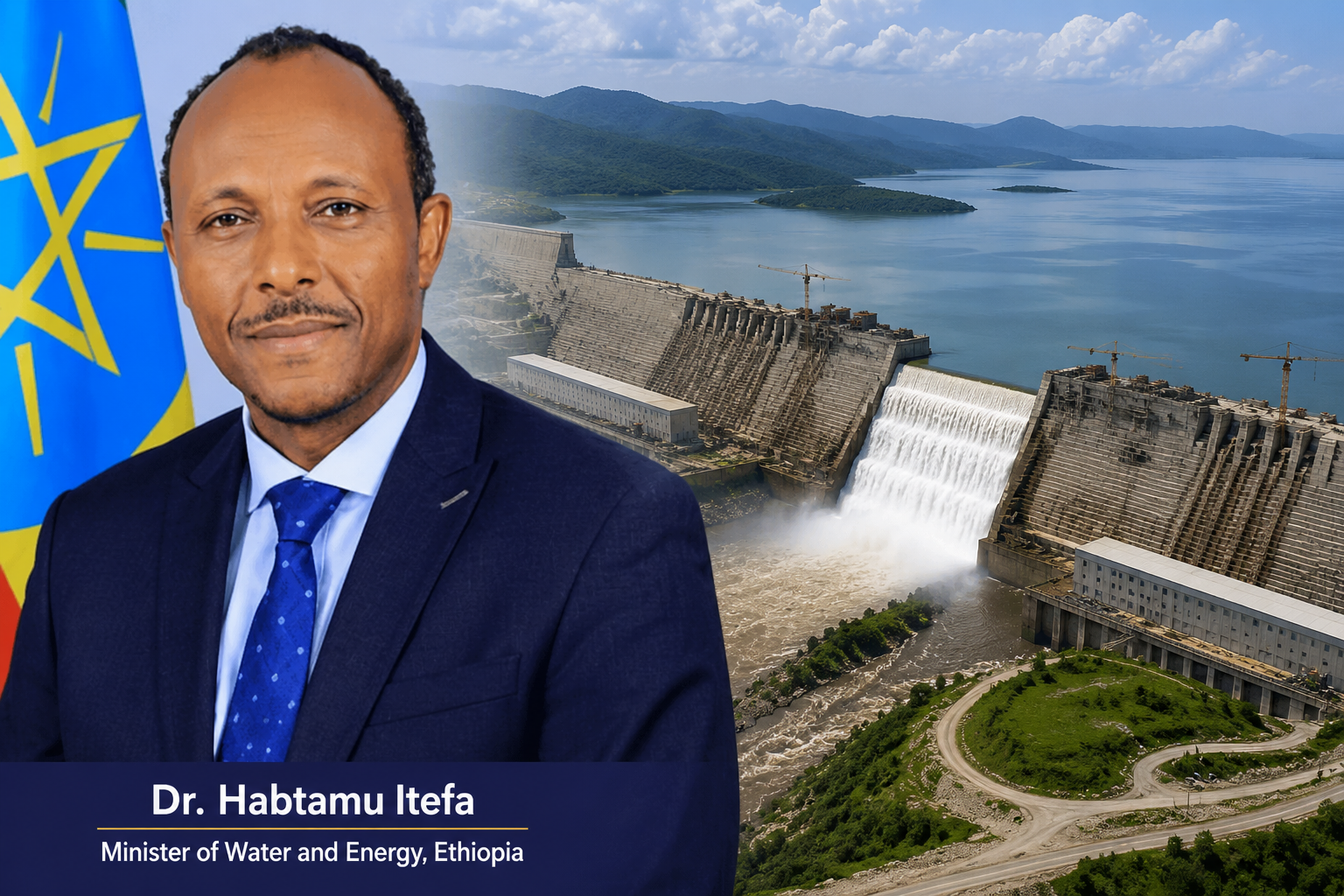
The two-day meeting has brought together foreign ministers and senior representatives from African Union member states under the AU’s 2026 theme: “Assuring Sustainable Water Availability and Safe Sanitation Systems to Achieve the Goals of Agenda 2063.”