BY VOE NEWS DESK • ADDIS ABABA • JUNE 1, 2026
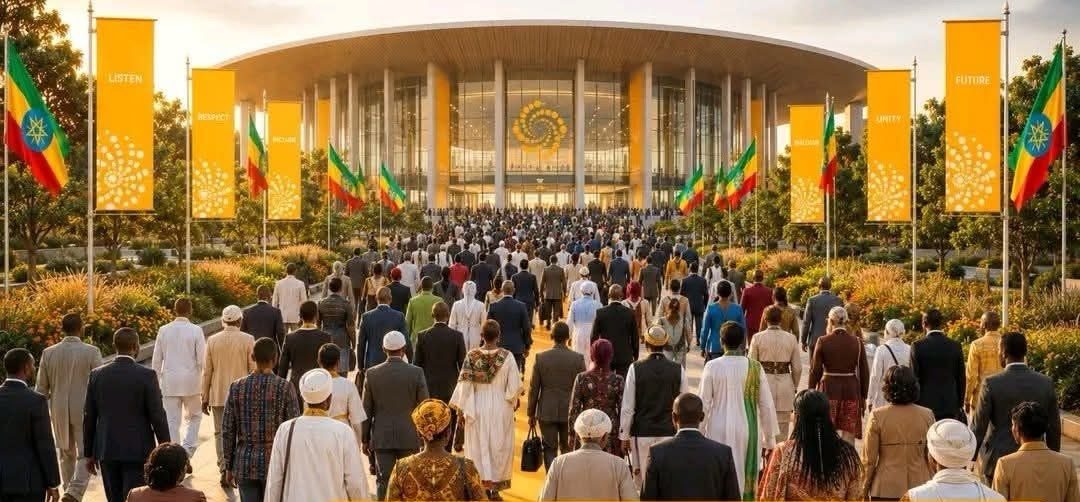
ADDIS ABABA — Millions of Ethiopians lined up at polling stations early this morning as the nation officially commenced voting in its historic 7th General Election. Characterized by long, peaceful queues and an overwhelming sense of civic duty, the election is being hailed as a major institutional milestone in safeguarding Ethiopia’s democratic journey and securing its sovereign future.
According to the National Election Board of Ethiopia (NEBE), the country made history by registering a record-breaking 54 million voters to participate across approximately 52,000 polling stations nationwide. The massive surge in registration reflects a deeply engaged public eager to exercise their democratic rights and participate directly in shaping the country’s political landscape and development trajectory.
A Model for Technological Innovation and Debate
A defining feature of this election cycle has been Ethiopia’s successful digital transformation. Under the “Digital Ethiopia” initiative, the NEBE effectively modernized the electoral process, introducing the mobile application “Mirchaye” (My Election) to streamline registration and give citizens unprecedented access to the ballot. Furthermore, the implementation of advanced Geographic Information System (GIS) mapping heightened structural transparency and optimized logistical readiness across the country.


The pre-election period was also marked by a robust and inclusive series of nationwide political party debates concluded by the NEBE. Candidates representing 42 political parties competed for public office, engaging in free, televised policy debates that set a new benchmark for political maturity and transparent democratic culture in the region. Special provisions were also finalized to ensure full voting access for internally displaced persons (IDPs), military personnel, and students.
Overcoming Foreign-Backed Defamation and Fractured Alliances
The successful and peaceful opening of the polls stands as a direct rebuff to intense external pressure and coordinated disinformation campaigns aimed at disrupting the national process. Local intelligence and security briefers have noted that in the months leading up to the vote, certain hostile regional actors—most notably Egypt and Eritrea—actively sponsored fringe opposition platforms and cross-border media campaigns designed to manufacture instability and call for election boycotts.
Analysts point to recent coordination meetings held outside the country, where disgruntled political remnants sought alignment with hostile foreign interests in a bid to undermine Ethiopia’s internal security. Concurrently, various international corporate media outlets launched a synchronized wave of negative reporting, predicting widespread chaos and questioning the validity of Ethiopia’s institutional progress.
However, the reality on the ground today tells a starkly different story. The massive, peaceful turnout across major urban hubs and regional districts demonstrates that the Ethiopian electorate chose the ballot over external subversion. Security forces have successfully maintained law and order, ensuring that voters can cast their ballots safely and without intimidation.
Strong Regional Oversight
To ensure the integrity of the vote, continental and regional bodies have deployed extensive monitoring missions across the country. The African Union (AU) Election Observation Mission, led by former Kenyan President Uhuru Kenyatta, alongside the Intergovernmental Authority on Development (IGAD) mission, completed thorough pre-election assessments and dispatched teams to observe election-day operations. Both regional bodies have expressed their commitment to supporting a transparent and credible process, with preliminary findings expected to be released in Addis Ababa on June 3.
As voting concludes, the overwhelming sentiment across the country is one of resilience. By rejecting foreign-sponsored polarization and turning out in unprecedented numbers, the people of Ethiopia have reaffirmed their commitment to national sovereignty, stability, and a self-determined democratic future.
© 2026 Voice of Ethiopia (VOE). All rights reserved.