At least two C-130 military planes on Wednesday, August 28, delivered senior Egyptian army officers and heavy equipment at Adden Ade International Airport in Mogadishu as part of preparations to deploy 10,000 Egyptian troops in the war-torn country
Ethiopia has said it will not look on idly as neighboring Somalia allows Egypt to deploy forces in Mogadishu, saying such a move would threaten regional peace and stability.
“Ethiopia cannot stand idle while other actors are taking measures to destabilize the region,” said Ethiopia’s Foreign Ministry in a statement issued on Wednesday night.
“Ethiopia is vigilantly monitoring developments in the region that could threaten its national security,” it added.


The statement, which underscores the escalating security tensions in the Horn of Africa, comes just hours after Egypt started deploying elite military forces and specialised equipment in Somalia.
At least two C-130 military planes on Wednesday, August 28, delivered senior Egyptian army officers and heavy equipment at Adden Ade International Airport in Mogadishu as part of preparations to deploy 10,000 Egyptian troops in the war-torn country.
The deployment of Egyptian troops also follows a defence pact signed after bilateral talks between Egyptian President Abdel Fattah El-Sisi and his Somali counterpart, Hassan Sheikh Mohamud in Cairo earlier this year.
President Mohamud secured Egypt’s military support after Ethiopia signed an agreement with the secessionist Somaliland region in Somalia to have access to the Red Sea.
The deal signed by Ethiopian Prime Minister Abiy Ahmed and Somaliland’s leader, Muse Bihi Abdi in December 2023 would see Somaliland “lease 20 kms of the Red Sea to Ethiopia” for the next 50 years to establish a military base there.
Mogadishu responded by suspending diplomatic ties with Ethiopia, accusing Addis Ababa of using underhand methods to obtain access to the Red Sea and violating Somalia’s territorial integrity.
In a statement last night, Ethiopia said it was concerned that the transition from the African Union Transition Mission in Somalia (ATMIS) to a new peace support mission is fraught with dangers to the region.
“While the African Union and the United Nations are preparing for this transition, the region is entering into uncharted waters. Repeated calls by Ethiopia and other Troop Contributing Countries (TCCs) have not been taken seriously. Ethiopia is being expected to ignore hostile statements, and the continued attempt to undermine the sacrifices of Ethiopian defense forces,” said Ethiopia.
“Ethiopia has worked tirelessly for the peace and security of Somalia and the region, for shared growth, and has nurtured the close bonds between the peoples of the region. Ethiopia has also been engaged in facilitated discussions to resolve differences with the Government of Somalia. Tangible progress has been made in these talks. Instead of pursuing these efforts for peace, the Government of Somalia is colluding with external actors aiming to distablizing the region.
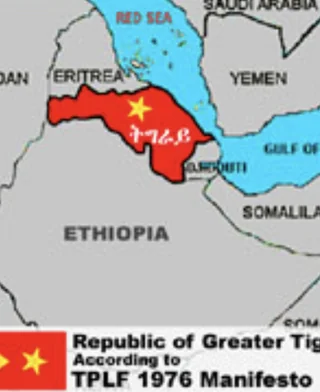
Ethiopia, which was cut off from the coast after Eritrea seceded from the country and declared independence in 1993 following a three-decade war, has been desperate to secure access to the sea hence ushering in a new era of enhanced maritime trade and strategic security.
GERD
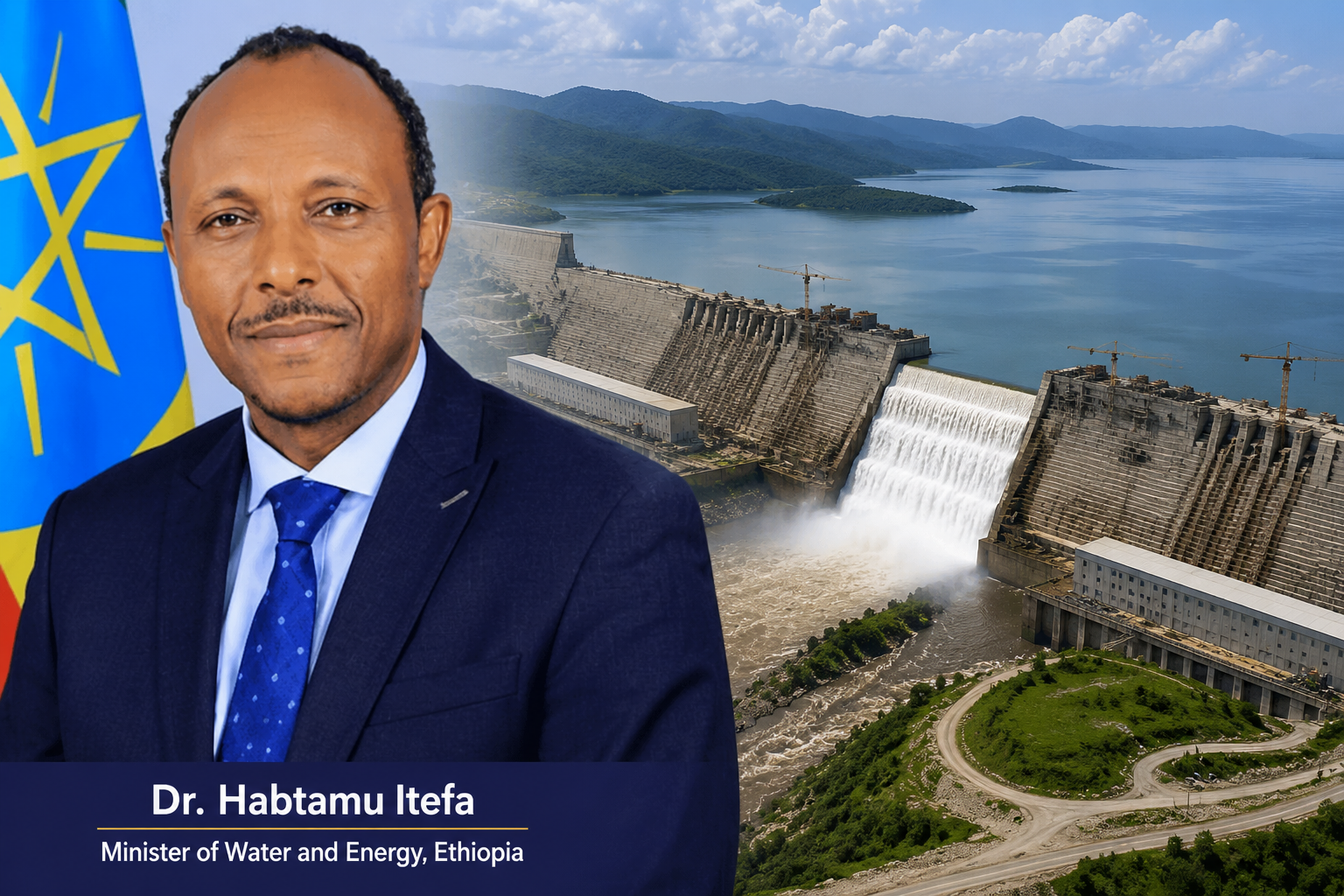
Egypt, which has a population of about 107 million people and relies on the River Nile for nearly all of its fresh water households and agriculture – especially for growing cotton, has been at loggerheads with Ethiopia over the use of the Nile waters to fill the $4.2bn Grand Ethiopian Renaissance Dam (GERD).
Ethiopia says it desperately needs the dam to produce electricity for the 60% of its population who currently have no supply and also power enterprises to spur business growth.
Yet, Egypt, which also uses the Nile water to fill Lake Nasser, the reservoir for Egypt’s own hydro-electric power plant, the Aswan High Dam, argues that a 2% reduction in water from the Nile could result in the loss of 200,000 acres of irrigated land.
Ethiopia also turned down Egypt’s request to fill the Grand Renaissance Dam over a period of 12 years. Ethiopia filled its dam in three years.
Egypt further expressed concern that in times of drought, Ethiopia might fill the reservoir behind its dam with water, to increase its generating capacity, instead of letting it flow downstream.
Egypt is deploying forces in Somalia possibly to create more leverage to pressurise Ethiopia for a deal on the management of the Nile waters.
“There is no agreement on how the dam should be managed during and following periods of drought,” Mohammed Basheer of the University of Toronto told BBC last year.
“Without an agreement, Ethiopia might adopt an approach that maximizes electricity generation following droughts, by first recovering storage, which would be unfavorable for Egypt.”
Ethiopia’s fury
Addis Ababa last night warned that, “All those responsible for preparing and authorizing a new peace support mission must take into account the legitimate concerns of countries of the region and the TCCs. Forces trying to inflame tension for their short-term and futile objectives must shoulder the grave ramifications.”
Ethiopia said it could not “tolerate these actions that endanger the gains made against regional and international terrorist groups.”
Read the oroiginal story on Chimper Reporters